

Updated September 2026
Heat pumps are an efficient way to heat your home and hot water without burning gas or oil on site. Instead of creating heat, they move it from the air, ground, or water into your heating system. For many London and surrounding homes, an air source heat pump (often with the Boiler Upgrade Scheme grant) is now a realistic alternative to a new boiler.
A Rated / MyBoiler surveys, designs, and installs heat pumps for homeowners across London and the surrounding area.
Quick facts
- Typical heat pumps deliver around 3–4 units of heat for every 1 unit of electricity used (SCOP depends on the home and design).
- England & Wales: Boiler Upgrade Scheme grants of £7,500 for air-source or ground-source heat pumps (extra £1,500 until March 2027 if you are on oil/LPG with no mains gas).
- Install must be by a certified installer; hybrids (heat pump + gas boiler) are not eligible for the grant.
How heat pumps work
A heat pump works a bit like a fridge in reverse. A refrigerant cycle pulls low-grade heat from outside, compresses it to a higher temperature, then passes that heat into your radiators, underfloor heating, and hot water cylinder.
- Heat is collected from outdoor air, the ground, or a water source.
- Refrigerant evaporates into a gas.
- A compressor raises the gas temperature.
- Heat is transferred into your heating and hot water system.
- The refrigerant condenses and the cycle repeats.
Because most of the heat comes from the environment, running costs can be competitive with gas when the system is sized and designed properly — and your carbon footprint falls as the electricity grid gets greener.
Which type suits your home?
Most UK homes we see are best suited to an air source heat pump. Ground and water source systems can be excellent where space and geology allow, but they cost more to install.
| Type | Best for | Pros | Cons | BUS grant (England & Wales) |
|---|---|---|---|---|
| Air source | Most homes with outdoor space for a unit | Lower install cost; heating and (with some systems) cooling; widely available | Efficiency dips in very cold weather; may need larger emitters or underfloor heating | £7,500 (+£1,500 oil/LPG uplift where eligible) |
| Ground source | Homes with garden space for trenches or a borehole | Very stable efficiency year-round; quiet outdoor plant; long system life | Higher upfront cost; needs outdoor space or borehole access | £7,500 (+£1,500 oil/LPG uplift where eligible) |
| Water source | Properties with a suitable lake, river, or well (and permissions) | High efficiency when the source is suitable | Rare; permissions and water access limit who can use them | £7,500 as part of ground/water source category |
Grant figures from GOV.UK Boiler Upgrade Scheme, checked September 2026. One grant per property. Air-to-air heat pumps attract a lower £2,500 grant and are less common for whole-home heating in the UK.
Air source heat pumps
Air source heat pumps (ASHPs) extract heat from outside air, even when temperatures are well below freezing (many units work down to around −15°C or lower). An outdoor unit connects to your indoor heating and hot water system.
They are usually the fastest and most affordable heat pump route for terraced, semi-detached, and many detached homes in London, provided there is a suitable place for the outdoor unit and the existing emitters (radiators or underfloor) can run at the lower flow temperatures heat pumps prefer.
Ground source heat pumps
Ground source systems use pipes in trenches or a borehole to collect heat from the earth, where temperatures stay more stable. They can outperform air source systems in cold snaps, but excavation or drilling adds cost and disruption.
Water source heat pumps
Where a reliable body of water is available and permissions are in place, water source heat pumps can be highly efficient. They are uncommon for typical London housing stock; we will say so honestly at survey if they are not realistic for your property.
Efficiency, running costs, and what else you may need
A well-designed heat pump often delivers around three to four units of heat per unit of electricity. Real-world results depend on:
- Home insulation — loft, walls, and draughts matter as much as the heat pump itself.
- Emitter sizing — larger radiators or underfloor heating help the system run efficiently.
- Hot water — most installs need a compatible cylinder (or a carefully designed retrofit). See also our note on retrofitting an existing cylinder.
- Noise and planning — outdoor unit location, neighbours, and permitted development rules need checking early.
We design around your heat loss, not a one-size brochure rating — that is how you avoid an undersized or noisy install.
Government grants (Boiler Upgrade Scheme)
If you are in England or Wales, the Boiler Upgrade Scheme can reduce the upfront cost of replacing fossil-fuel heating with a heat pump:
- £7,500 towards an air source heat pump
- £7,500 towards a ground source heat pump (including water source and shared ground loops)
- £2,500 towards an air-to-air heat pump
- Extra £1,500 until March 2027 for air or ground source if the property is heated by oil or LPG and has no mains gas connection
Key caveats: one grant per property; the installer usually applies on your behalf; hybrid heat pump + gas boiler systems are not eligible; you cannot get a grant to replace an existing low-carbon system. Full rules: gov.uk/apply-boiler-upgrade-scheme.
Why choose A Rated / MyBoiler
- Local London installer (based in Kingsbury, NW9) familiar with typical UK housing stock
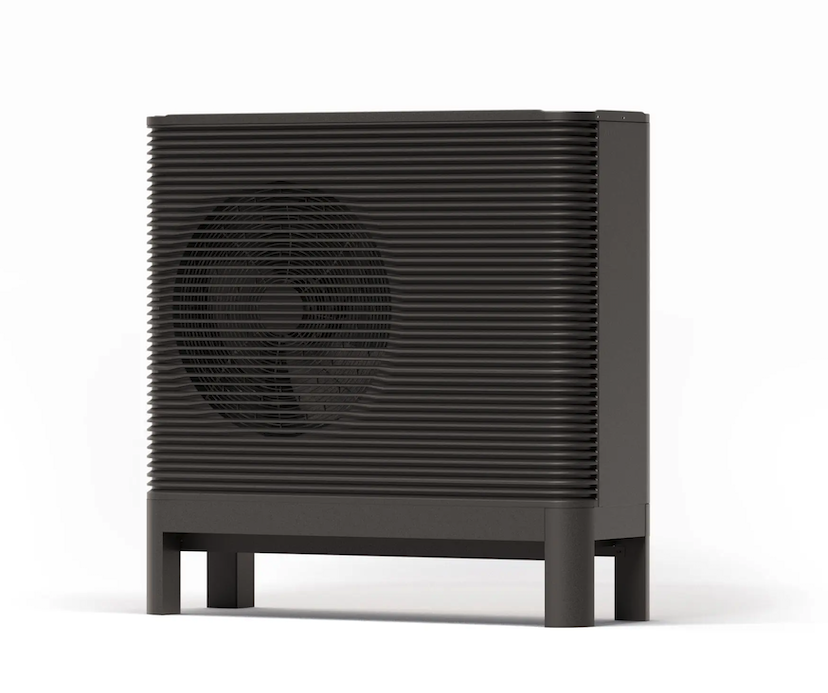
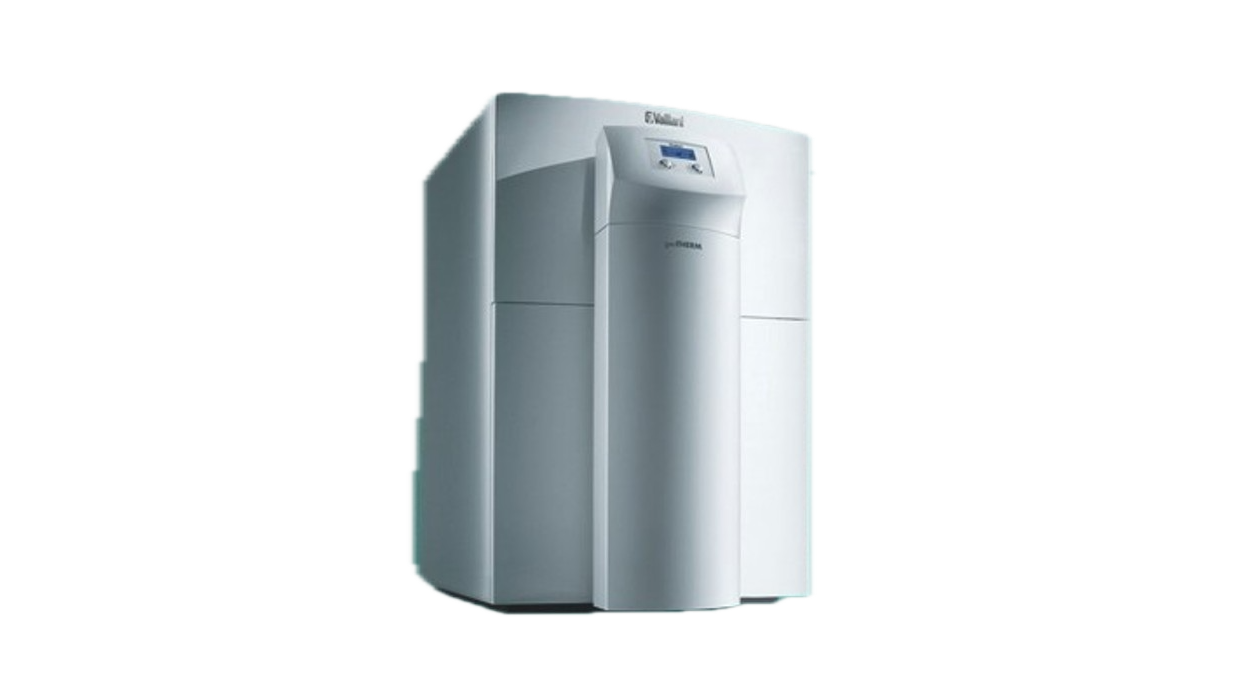
- Brands and systems we work with include options such as Aira and Vaillant (shown above)
- Honest advice on whether a heat pump, a high-efficiency boiler, or further insulation should come first
- Clear path from survey → design → install → handover